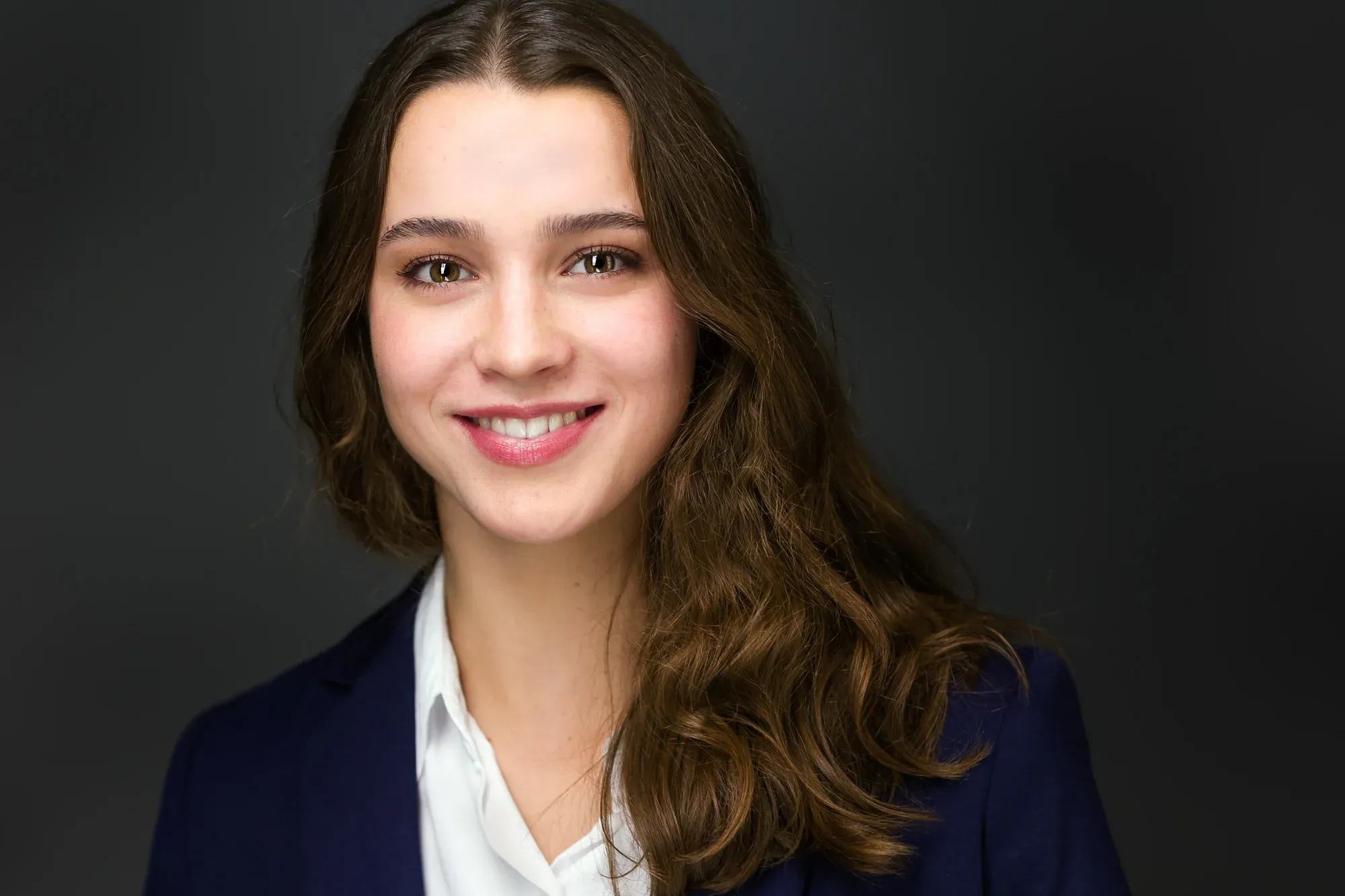
A professional portrait needs to do a few things: It should suit you and your work, reveal something about your personality, and feel right to you. Whether you call it a business photo, a LinkedIn profile picture, a headshot, or a job application photo doesn’t really matter at first. What matters most is what you plan to do with the photo. And how we’ll get there together—even if you don’t particularly like having your picture taken.
I’d like to give you a glimpse of what happens during a portrait session—and how you can tell for yourself whether the work is a good fit for you. Even if you end up choosing a different photographer.
You don’t have to already know how to achieve the look you want in the final photo while in front of the camera. You can expect to be guided through the process.
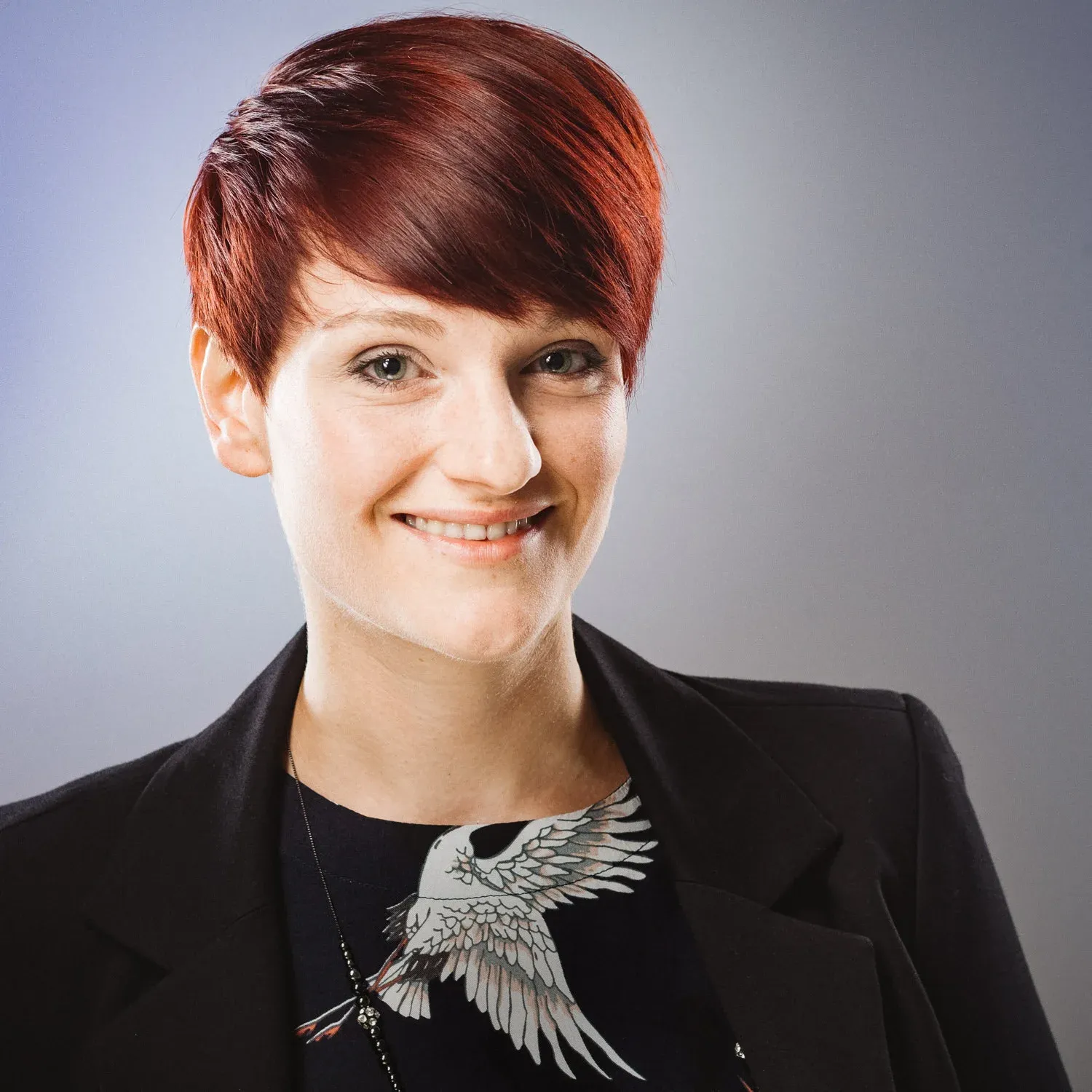
First, the question: What do you need the photo for?
Maybe you need a new photo for LinkedIn. Maybe you’re introducing yourself on your own website, joining a team page, or applying for a new job. Often, a portrait is meant to serve several of these purposes at once. The boundaries are fluid.
That’s why I’m less interested in what label the photo gets than in the question: Who do you want to reach with it? What kind of environment do you work in, and how do you want to be perceived there? A close-up headshot draws the eye to the face; a portrait with more space can also show your posture and surroundings. What works best depends on your specific purpose. Different cropped versions of the same shot can also be useful—if we consider the intended use while taking the photo.
There’s no set expression or prescribed attire for this. A photo doesn’t have to look as formal as possible either. It should suit you and the situation in which others get to know you.
That’s why I’ll discuss this with you before we take the photos. When someone asks questions and listens, that’s already part of the photographic process.
“I don’t even know how I’m supposed to look”
That’s a pretty common starting point. After all, in everyday life, you don’t constantly observe yourself from the outside. As soon as a camera is involved, your hands, shoulders, and facial expression suddenly become a challenge.
The solution shouldn’t be to leave you to handle this task on your own. I’ll give you guidance, make small adjustments, and see how you react. Sometimes a different pose helps. Sometimes a conversation. Sometimes it’s better to stop briefly rather than insist on another smile.
You’re welcome to ask questions and speak up if something feels strange. A pose that feels awkward at first can work well in the photo. But we should figure out together whether the result still feels right for you.
A helpful question to ask the photographer is therefore: “How will you support me if I feel unsure in front of the camera?” The answer often reveals more about the session than the description of the camera.
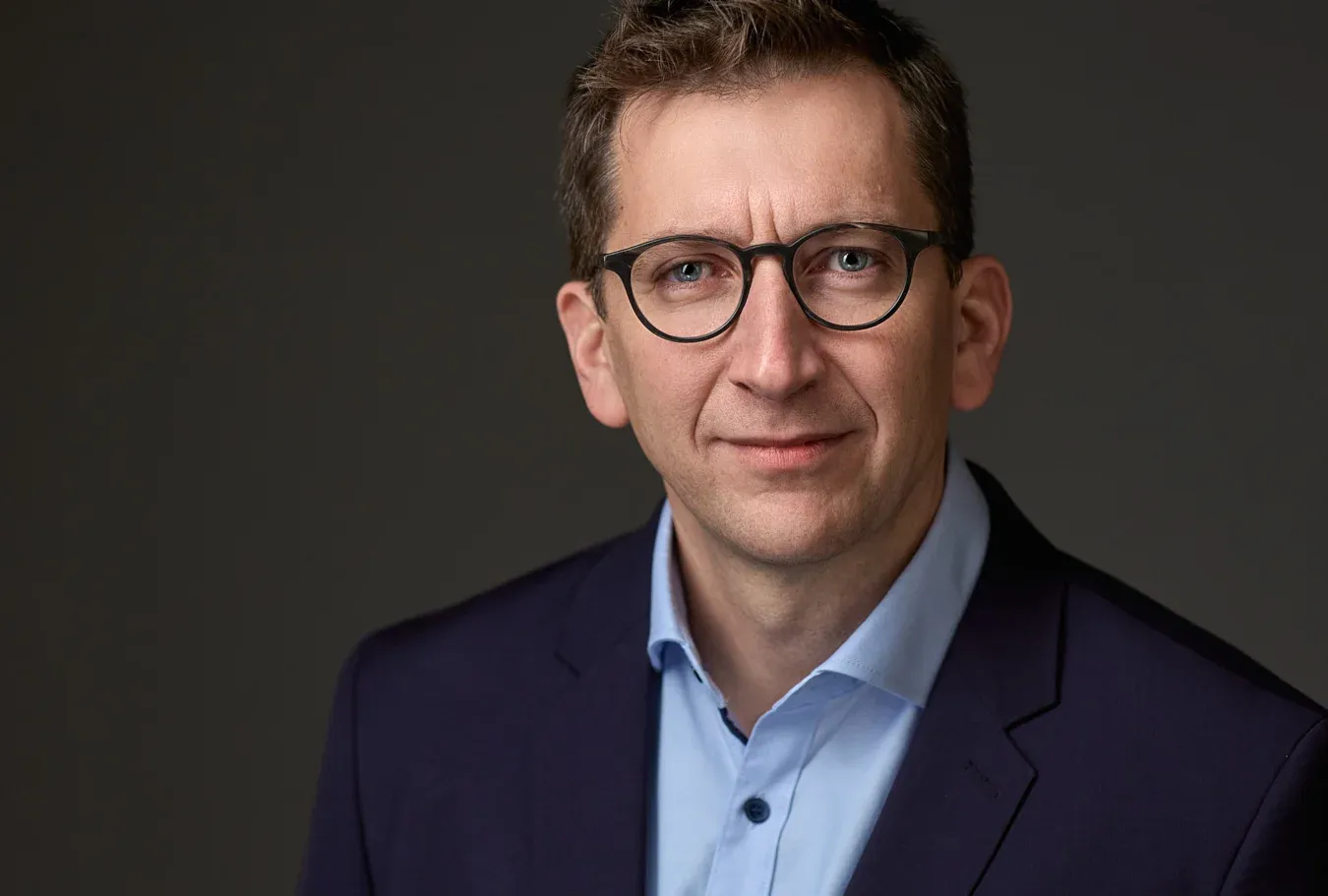
Reviewing Photos Together as We Go
During my sessions, we look at photos together while I’m still taking them. This gives you an idea of what’s taking shape. And it helps me understand how you see yourself.
Maybe you like a certain expression, but the outfit looks different than you expected. Maybe we’ll discover a look you didn’t even notice at first. This kind of feedback is valuable as long as we can still make adjustments.
You don’t have to evaluate every single shot. The goal is to find a common direction before we change the background or your outfit, for example.
When selecting photos, there’s more to it than just a “nice smile”
In the end, we often end up with several good photos. Still, it can be hard to decide. In one, you might prefer your hair; in another, your gaze. And then there’s the shot that feels familiar because you recognize that exact facial expression from the mirror.
I find it helpful to first think back to the purpose: Does the person in this photo come across as approachable? Credible? Does the expression fit the professional context? And above all: Can you say, “Yes, that’s me”?
An open smile can be wonderful. A calm, attentive gaze can be just as wonderful. Not everyone has to look the same in every professional portrait. Good guidance during the selection process helps you see these differences, rather than just taking as many files as possible.
Not every beautiful portrait automatically fits what you intend to use it for.
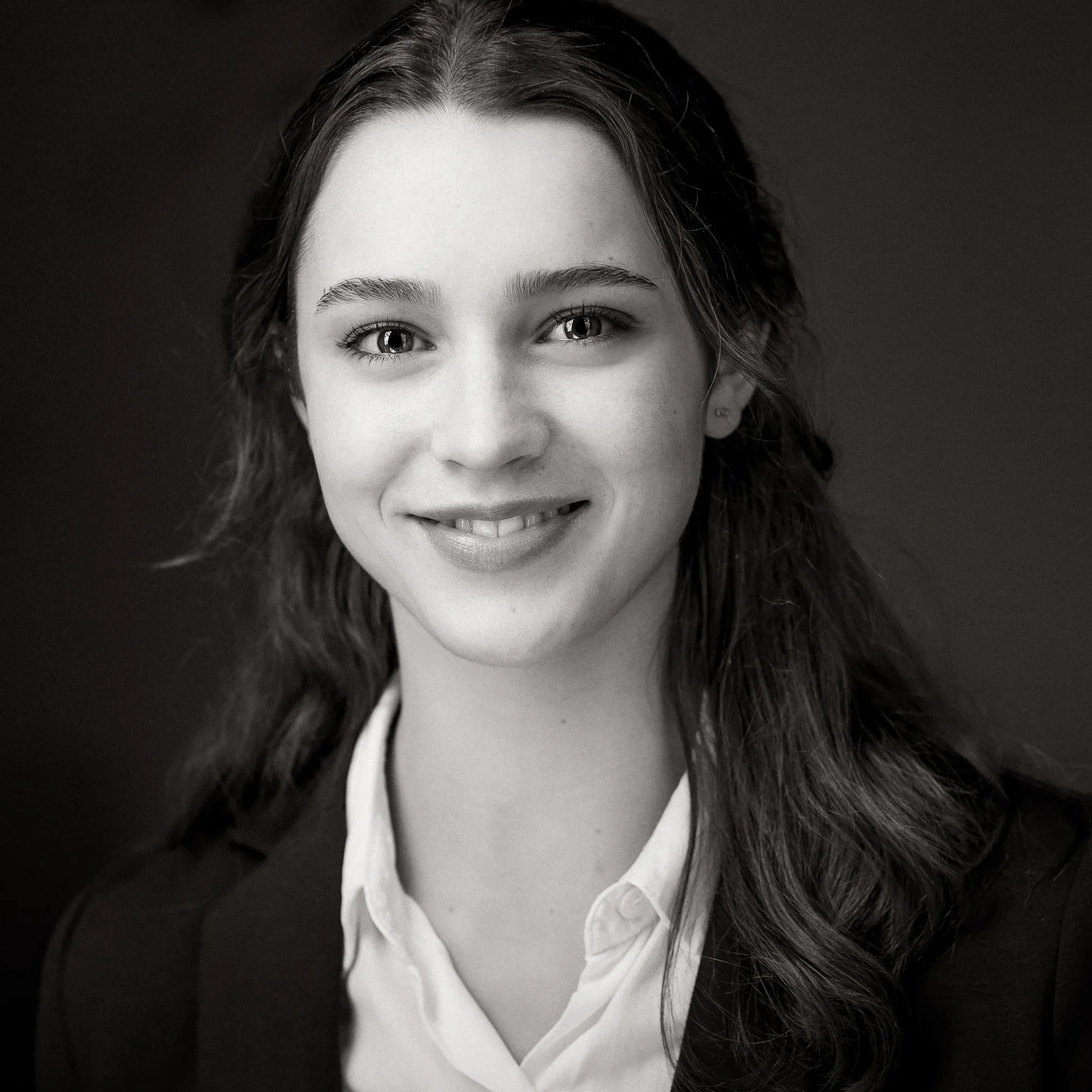
What Retouching Should Achieve
After the selection comes the editing. I want a portrait to be carefully crafted and look natural. A temporary skin blemish doesn’t have to be part of your profile picture for years to come. At the same time, facial features and skin texture are part of who a person is.
Feel free to ask how a photographer approaches retouching. And let them know what’s important to you. “Please keep it very natural” can mean different things to different people.
For me, a good benchmark is: You should be able to enjoy your photo without feeling like a stranger in it.
Clear Agreements Are Key to the Final Photo
Part of ensuring a high-quality session is making sure you understand what you’re booking beforehand. A price alone doesn’t explain whether an image file is included, how the selection process works, or what you’ll be allowed to use the photo for later.
These four questions are worth asking:
- What is the total cost of the session? Is one image included, and how much do additional selected shots cost?
- How are the photos selected? Is there assistance with the decision-making process, and are there clear options for selection?
- What will I receive? What kind of editing and what file sizes are included? Do printed photos have to be ordered separately?
- What can I use the photo for? LinkedIn profile, personal website, team page, or job application: Discuss where you’d like to use the photo. Clarify the usage rights and, if applicable, their duration in advance.
The answers may vary from one provider to another. What matters is that you understand them and that the offer aligns with your plans. A short session might be just right for a single photo. For multiple outfits, backgrounds, or an entire portrait series, a different setup makes more sense.
What You Can Bring Yourself
You don’t need a rehearsed smile. However, a few practical preparations will make things easier:
Clothing you feel comfortable in. Bring a small selection that suits your profession and your personal style. Solid-colored fabrics let your face take center stage; very small patterns can create a distracting effect in the photo. If you’re wearing black and white, feel free to pack a colorful alternative as well.
Some breathing room in your schedule. A tight follow-up appointment makes it harder to get into the right mindset for the photo shoot. Come as well-rested as possible, and let me know if anything is particularly important to you.
A goal and your questions. An example of where the photo will appear later can be helpful. However, you don’t need to bring a finished visual concept or specialized photography knowledge.
How to recognize good work in the end
You don’t need to be able to judge what kind of lighting was set up or which lens was used. But you can tell whether someone is listening to you, whether you’re getting clear instructions, and whether your feedback is taken seriously.
And you can look at the photos: Is there a style that resonates with you? Does the editing feel right? Do you know what files and usage rights you’ll receive? Then you’ll have tangible criteria to base your decision on.
A portfolio shows the kind of photos someone takes. A good conversation helps you figure out whether you can envision working together to achieve your goals.
If you’d like to see how I work: On my page for Business Portraits and Resume Photos in Much], you’ll find more photos, the process, and the various appointment options with their prices. And if you’re still unsure which option is right for you, feel free to tell me there what you have in mind.


