Hands-On Photography
What's important to me at HOP.
I want you to take something away from a workshop that you can use to continue working on your own. An experience that sticks with you. A concept you’ve come to understand. And the desire to give it another try.
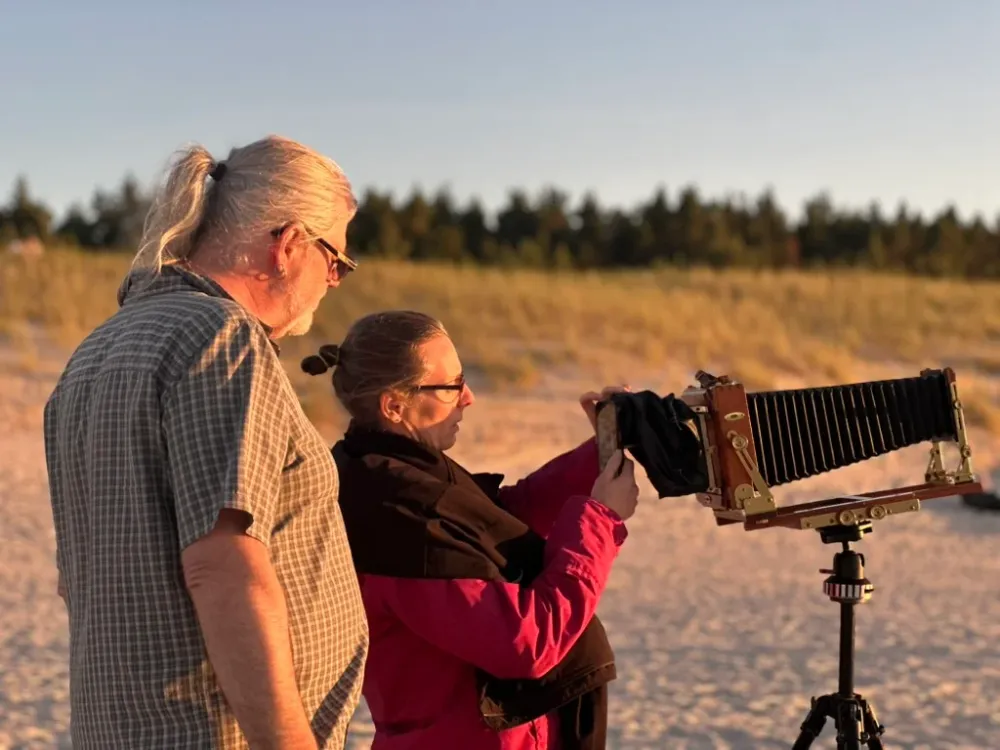
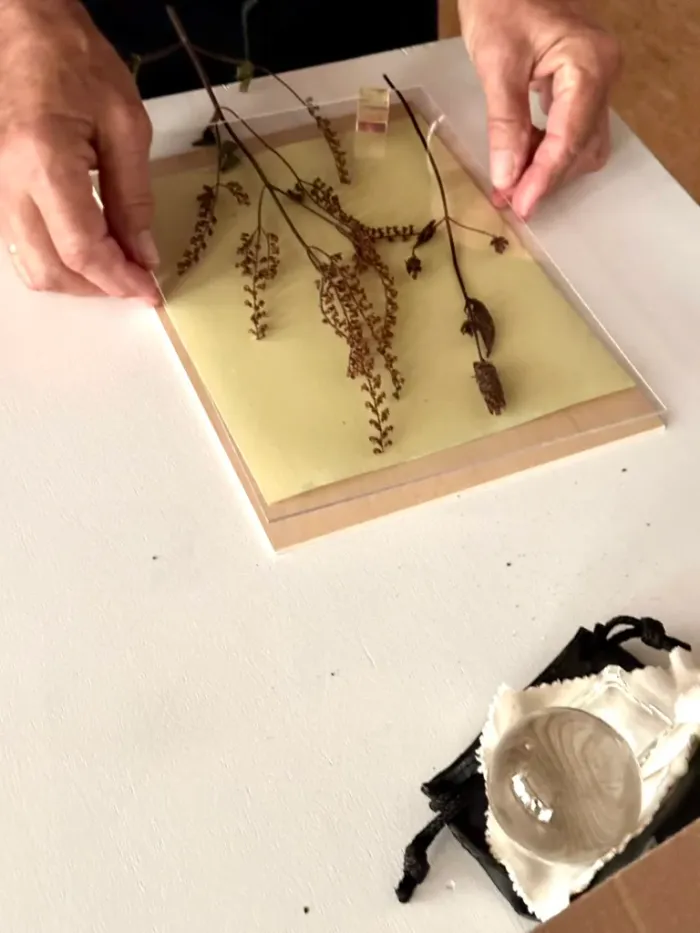
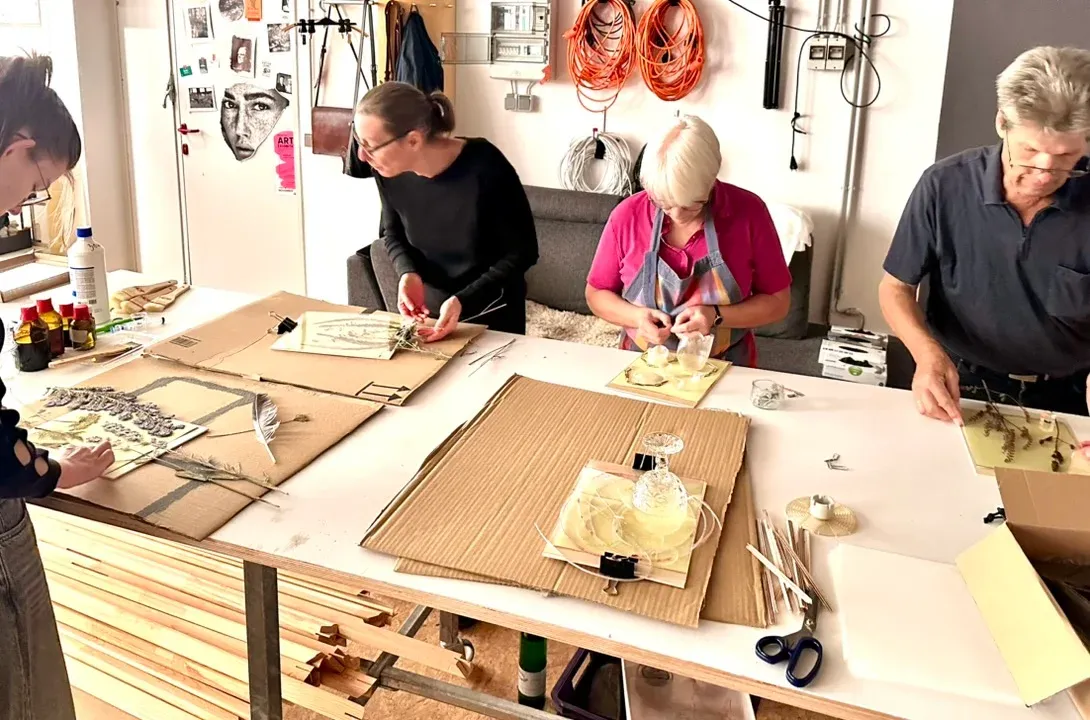
The camera belongs in your hand.
"Hands On" is meant quite literally. We set things up, set the lighting, expose paper, or see what effect a change has on the image. You try it out for yourself and make your own decisions.
I'll explain and show you what you need to get started. Then it's time to try it yourself. That's often when the best questions come up: Why does it look different for me? What happens if I change something here? Those are exactly the kinds of questions I want to explore with you.
You don't have to know how to do everything just yet.
Whether you're just starting out, have been taking photos for years, or work with images professionally: You're welcome here. Curiosity and a willingness to give it a try are a good start. If a workshop requires specific prior knowledge, that will be made clear in advance.
People learn at different paces and come from different backgrounds. There should be room for that. You can ask questions—even a second time. It’s important to me that you feel comfortable asking a question instead of pretending you already understand everything.
It's okay for an attempt to fail sometimes.
A photo turns out differently than expected, a print comes out too light, or a material reacts in an unusual way. Then we take a closer look. What happened? What can we learn from this? What would we do differently next time?
You should have the opportunity to try something different and find your own way. Sometimes a detour leads to a new idea. Sometimes it simply shows you how to do things better next time. Both will help you move forward later on, even without someone by your side.
For me, experimentation goes hand in hand with care. When it comes to chemicals, equipment, and materials, we make sure to clarify what’s important. The way we interact with one another is just as important to me: Your questions, images, and personal boundaries are taken seriously.
Your pictures are yours to keep.
Technique and composition open up possibilities for you. When you understand how light, sharpness, contrast, or framing work, you can make more informed decisions—including when to follow a rule or do something completely different.
I can't develop your own visual language for you. I can show you tools, share my observations with you, and ask questions. You decide which direction to take with them. My preferences are meant to give you the space to do so.
The group must be relevant to the topic.
Everyone should be able to work independently and receive support when needed. That’s why group size depends on the process, the workstations, and what we’re planning to do. Working in the lab requires different conditions than a project where many people can experiment at the same time.
I want to have time to observe, answer questions, and discuss a second attempt with you. The schedule should allow for that. For me, an honest workshop description includes what’s realistic given the time available and what you should bring with you.
There are many approaches to photography.
Analog, digital, with or without a camera: I'm interested in what we can do and discover with them. Setting up lighting, learning a technique, editing, printing, or presenting images—all of that can be part of HOP.
To me, analog methods are a living craft. Knowledge is preserved when we apply it and pass it on. Historical techniques can benefit from today’s insights. I want to understand why something works and remain open to ways of making it safer or more reliable.
And after the workshop?
Ideally, you’ll go home feeling more confident and with some ideas of your own. You’ll know what you can already put into practice, what you need to keep in mind, and where you’d still like to practice. A first workshop doesn’t have to answer all your questions. It’s meant to help you take a useful next step.
This attitude should also shape HOP when other people share their experiences in a workshop. Different personalities and photographic approaches are welcome. What matters most is that you get involved in the work yourself and gain something from it.
I, too, continue to learn through this process. Your questions and experiences show me where an explanation would be helpful and where a process could be improved. HOP is open to change. It’s important to me that you take something away from this that you can apply to your own photography.